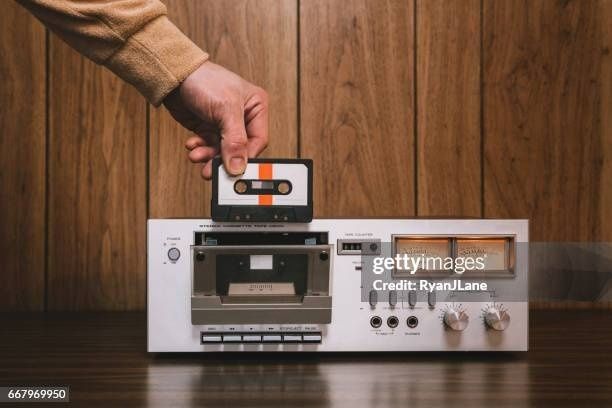
Field Notes on Independent Sound Preservation
Ephemeral sound is difficult to preserve because it is often created in places and circumstances that leave little formal record. A live set may exist for one evening, an improvised performance may never be repeated, and an independent release can disappear when a label, venue, website, or artist stops operating. The recording itself may survive, but without reliable information about who made it, where it was captured, which equipment was used, and how it was transferred, much of its historical value becomes difficult to establish.
Grassroots preservation developed practical answers long before cloud storage and peer-to-peer protocols. Cassette traders, fanzine editors, mail artists, concert tapers, and home recordists built exchange systems based on trust, documentation, duplication, and shared responsibility. Modern peer-to-peer audio preservation is therefore best understood not as a Silicon Valley invention, but as a technical continuation of those older networks. The medium has changed from magnetic tape to distributed files, yet the essential rules remain familiar: document the source, verify the copy, preserve multiple versions, respect the creator, and keep cultural stewardship separate from commercial extraction.
The Analog Blueprint and Postal Exchange Networks
Cassette culture gave independent musicians a way around the gatekeeping of major record labels, professional studios, and traditional distribution. Affordable cassette recorders turned bedrooms, rehearsal spaces, and small community venues into production sites. Artists could record experiments, duplicate them in limited quantities, and send them directly to listeners or collaborators. The result was not merely a cheaper format. It was a different cultural system in which circulation mattered as much as sales and where a hand-assembled object could carry music, artwork, correspondence, and social context together.
Fanzines and mail art networks supplied the navigation system. A zine could publish an address list, review a release, explain a recording technique, or connect a musician in one city with a listener on another continent. Mail art contributed an egalitarian exchange model, while cassette trading added a practical rhythm of copying and forwarding. Accounts collected in Cassette Culture describe artists using tape loops, speed changes, feedback, backward tracking, and multitracking to create work beyond the conventions of commercial recording. The network was decentralized, but it was not unstructured. Reputation, correspondence, and careful handling determined whether a package would continue moving.
Physical exchange also imposed safety procedures that remain useful in digital work. A reliable trader had to label the cassette, protect it from heat and magnetic exposure, check the shell and leader tape, verify that the recording played correctly, and include enough information for the next recipient to understand its origin. A field-ready postal checklist might include:
- Confirm the cassette shell, hubs, pressure pad, and leader are intact before shipping.
- Rewind or position the tape consistently, then test playback on a dependable deck.
- Use a case that prevents crushing, moisture exposure, and unnecessary movement.
- Record artist, venue, date, source, generation, and transfer notes on the J-card or accompanying letter.
- Keep a duplicate or written inventory before the original leaves local custody.
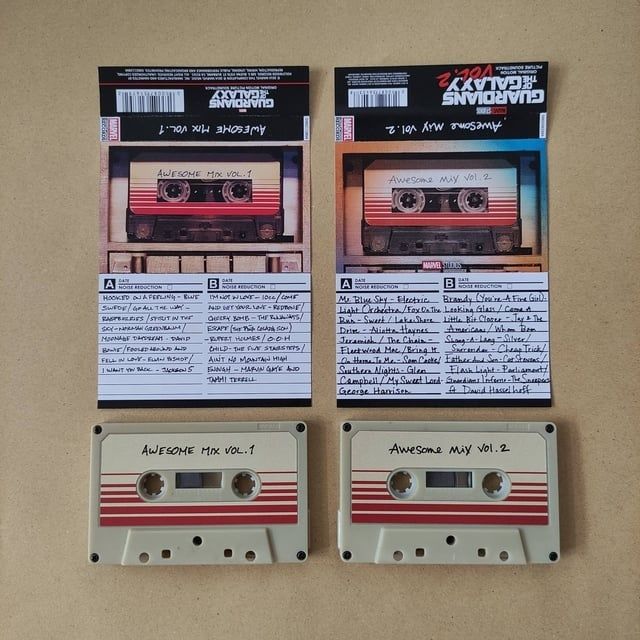
Understanding the meticulous documentation practices established during the rise of tape trading networks clarifies why digital standards exist today. A checksum is the modern equivalent of checking whether a cassette arrived unchanged. A lineage note replaces the handwritten account of who copied which generation. In both cases, preservation depends on treating the copy as evidence rather than as an anonymous file or object.
Taper Protocols and the Architecture of Provenance
Concert tapers developed an especially rigorous form of grassroots documentation. The recording was not simply a souvenir. It was a technical document shaped by microphone placement, room acoustics, audience position, power conditions, recording levels, tape stock, deck alignment, and later transfer decisions. In communities such as the Deadheads, publications including Dead Relix helped circulate technical guidance and trading norms. Tapers learned to compare equipment, report flaws honestly, and distinguish a first-generation source from a copy that had already passed through several decks.
The written J-card became a compact provenance record. It could identify microphone models, recorder settings, tape type, recording location, transfer equipment, and the number of generations between the original capture and the current copy. Such details allowed listeners to evaluate sound quality without confusing technical limitations with artistic performance. They also gave later archivists a route back toward the source. Collections associated with the Grateful Dead community show why this material matters historically: equipment, cassettes, interviews, memoirs, and trading records together document not only performances but the social structure that preserved them.
The same principles appear in contemporary live archives. Ryley Walker”s Internet Archive collection, which includes performances dating from 2017, demonstrates how repeated documentation can preserve improvisational differences from night to night. The broader Live Music Archive has grown through volunteer and staff contributions to more than 300,000 recordings by over 9,000 artists, according to the archive”s 2026 account. A current item documenting the Mountain Goats at Delmar Hall on May 24, 2026, identifies soundboard and audience sources, the taper and transfer process, FLAC processing, setlist information, and available formats. A useful provenance table should capture at least the following:
| Provenance field | Why it matters |
|---|---|
| Artist, venue, date, and location | Anchors the recording in a verifiable event. |
| Source type | Distinguishes audience, soundboard, matrix, rehearsal, or broadcast material. |
| Microphones and recorder | Explains frequency response, stereo image, and likely technical limitations. |
| Tape or file generation | Shows whether the item is an original transfer, derivative copy, or later remaster. |
| Deck, interface, and software | Documents the transfer chain and makes future reprocessing possible. |
| Edits, noise reduction, and normalization | Separates preservation from alteration and protects the evidentiary value of the source. |
Analog eras introduced different risks. Early compact cassette recordings often suffered from hiss, speed instability, and repeated-generation loss. Later decks improved transport mechanisms and noise reduction, but compatibility settings could create new problems when tapes were transferred on the wrong equipment. Digital capture reduced generation loss, yet it introduced metadata gaps, proprietary formats, silent corruption, and dependence on storage systems. The governing question remains consistent across eras: can another archivist understand exactly what happened to the recording?
Community Governance and Collective Action Lessons
A durable archive needs more than storage. It needs rules, roles, and a process for resolving disagreement. Local music networks historically relied on informal governance: trusted traders recommended reliable participants, fanzines published corrections, and communities refused to circulate material when an artist objected. Contemporary projects can make those practices more explicit by establishing contribution guidelines, access levels, file naming conventions, review procedures, and a documented method for handling takedown or consent requests.
This approach resembles the locally developed organizing model described by the Grassroots Advocacy Network. Its work connected community organizations through peer communication, technical assistance, capacity building, shared practices, and access to broader advocacy opportunities. Audio preservation networks thrive under the same conditions when local participants govern shared resources, build practical skills, and retain authority over decisions affecting their own cultural material. The lesson is not to copy a housing initiative mechanically, but to recognize that distributed stewardship works best when knowledge and responsibility are distributed together.
Safety-first governance also means setting firm limits around commercial exploitation. A recording made for preservation should not automatically become a monetized product, a promotional asset, or a substitute for an artist”s own release plans. Obtain permission where possible, honor venue and performer restrictions, and distinguish recordings explicitly offered for free circulation from material that is merely accessible. When consent is uncertain, preserve a restricted master and document the access decision rather than publishing by default. The HCA Archive offers a useful parallel by inviting community contributions while allowing contributors to recommend access restrictions. That balance protects historical evidence without treating openness as an obligation imposed on the people who created it.
Decentralized Bitstreams and Modern Peer Distribution
BitTorrent swarms and cryptographic checksums translate older trading principles into a networked environment. Instead of mailing one cassette to one recipient, a peer-to-peer system allows many participants to provide small pieces of the same file. A checksum can confirm that a downloaded object matches the documented source, while a torrent”s distributed availability reduces dependence on a single server. Loss still occurs when peers leave, drives fail, or metadata is missing, but the system can be resilient when several custodians maintain complete and verified copies.
That resilience should not be confused with automatic legitimacy or permanence. Centralized streaming services offer convenience, search, and scale, but access can change when licensing agreements expire, accounts are disabled, companies restructure, or catalogues are removed. At the other extreme, a mass scrape may preserve files while violating copyright, bypassing technical protections, exposing private data, or depriving artists of control. Reports in 2026 about an alleged Spotify scrape, described by Billboard, illustrate the conflict. A collection can be technologically impressive and still fail the ethical test of responsible preservation.
Build a personal or community archive in stages. The following checklist favors durable practice over speed:
- Define the collection boundary. Identify local venues, independent releases, live performances, interviews, or personal recordings that the archive is intended to preserve.
- Secure consent and rights information. Record permissions, restrictions, contact details, and any conditions attached to public access.
- Create a preservation master. Capture or retain the highest practical quality without unnecessary processing, then create access copies in widely supported formats.
- Write complete metadata. Include artist, title, date, venue, location, source, equipment, lineage, transfer settings, operator, and processing history.
- Generate integrity checks. Create cryptographic checksums for masters and refresh them after every controlled transfer or migration.
- Maintain independent copies. Keep at least one local working copy, one offline or geographically separate copy, and one copy held by a trusted community partner.
- Test restoration. Periodically open files, compare checksums, inspect metadata, and verify that storage media and software remain usable.
- Publish responsibly. Release only material cleared for sharing, provide provenance with every download, and preserve restricted records when public distribution is inappropriate.
Use open, documented formats where practical, but avoid turning format choice into dogma. FLAC can preserve lossless audio while reducing storage requirements, and uncompressed WAV or Broadcast WAV may be appropriate for masters depending on the workflow. MP3 and similar derivatives are useful for listening copies, not as replacements for preservation masters. The archive should retain the original transfer alongside any cleaned, normalized, edited, or remixed version so future researchers can distinguish evidence from interpretation.
Sustaining the Living Archive for Future Listeners
Across cassette boxes, hard drives, optical media, and peer-to-peer networks, redundancy remains the first rule of cultural preservation. One copy is a temporary possession, not an archive. Multiple copies matter only when they are separated by location, hardware, and ideally by organizational custody. A community archive should also preserve the surrounding record: correspondence, flyers, setlists, photographs, equipment notes, permissions, and corrections. These materials explain how the sound was made and how it moved through a culture.
The next practical step is to choose a manageable collection and document it before expanding. Contact performers and rights holders, inventory every source, create verified masters, and invite at least one trusted partner to hold an independent copy. Keep access decisions visible, review them as circumstances change, and treat artist trust as infrastructure rather than as an obstacle. When ethical sharing, careful provenance, and distributed storage work together, independent sound remains available without being stripped from the communities that gave it meaning. The living archive survives because people continue to check it, explain it, and pass it safely to the next listener.